
The Full Auto Maintenance Guide: What Every Chauffeur Needs To Know
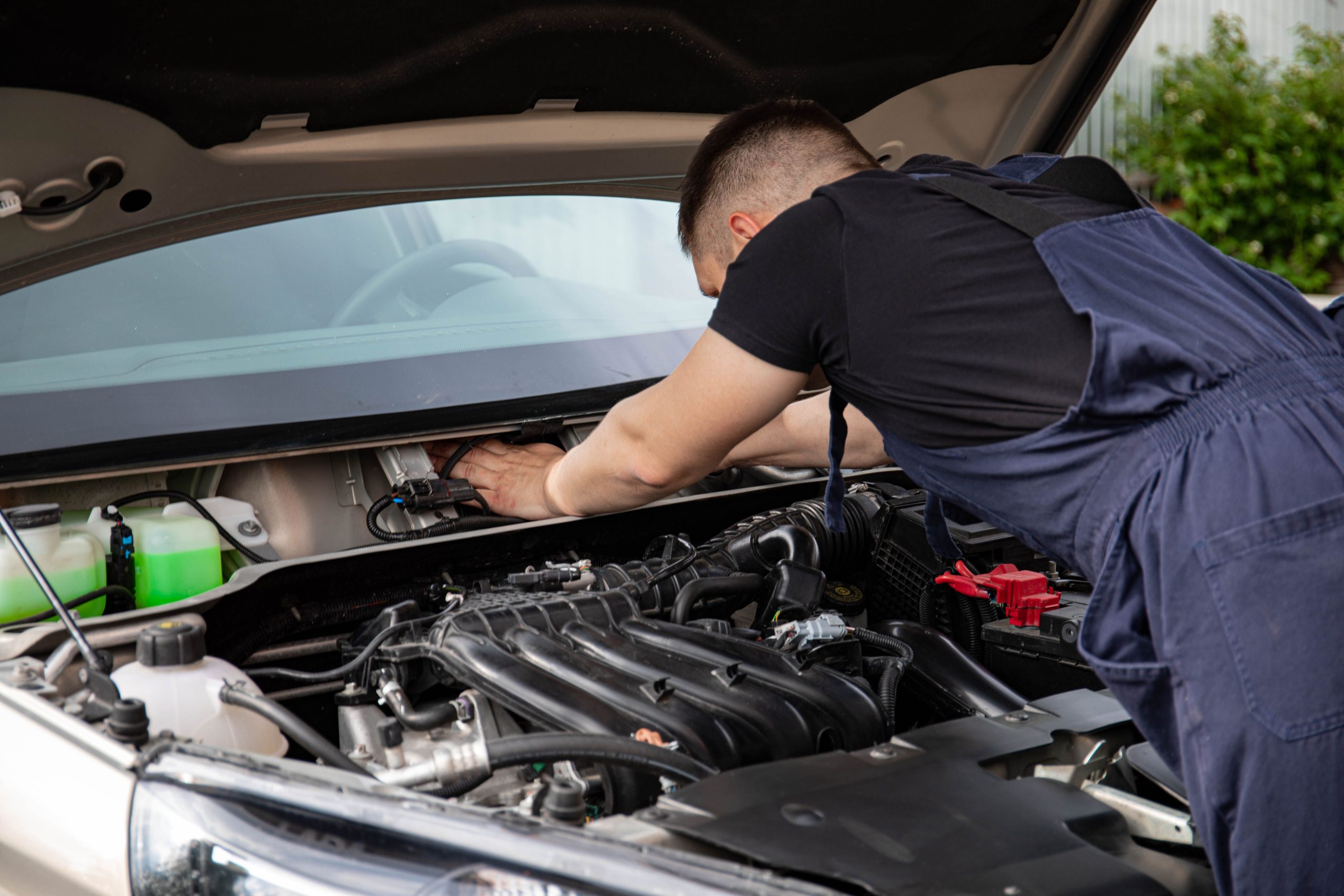
A cars and truck hardly ever breaks down out of nowhere. Practically every roadside emergency situation– a dead battery, a blown tire, a getting too hot engine– has a backstory of tiny indication that got ignored. The good news is that many upkeep doesn’t need a technician’s toolbox or a weekend break of your time. It needs a routine. This overview goes through specifically what to inspect, exactly how frequently, and why it matters, so you can keep your vehicle trusted without transforming auto treatment into a sideline.
Why Regimen Maintenance Pays for Itself
Avoiding an oil change or ignoring a squeaky brake could conserve you an afternoon today, but it almost always sets you back more later on. An ignored timing belt can ruin an engine. A used brake pad can damage a blades. A reduced tire can blow out at freeway speed.by link https://verdict.reviewbay.workers.dev/reviews/myteeproductscom website Preventative maintenance is cheap insurance coverage– it trades small, predictable expenses now for the evasion of huge, uncertain ones later.
The Core Upkeep Schedule
Every lorry is different, and you should constantly defer to your owner’s handbook, however the table below shows basic market assistance that puts on most gasoline-powered autos.
| Task | Normal Period | Why It Matters |
|---|---|---|
| Oil and filter change | Every 5,000– 7,500 miles (synthetic oil can extend this further) | Old oil loses lubricating homes, enhancing engine wear |
| Tire rotation | Every 5,000– 7,500 miles | Advertises even step wear and expands tire life |
| Air filter substitute | Every 12,000– 15,000 miles | A clogged filter decreases air flow and fuel efficiency |
| Brake pad evaluation | Every 10,000– 12,000 miles | Used pads enhance stopping range and can harm rotors |
| Coolant flush | Every 30,000 miles or 2– 5 years | Stops overheating and deterioration in the air conditioning system |
| Battery check | Every 2– 4 years | Batteries degrade with age and temperature level extremes |
| Timing belt (if furnished) | Every 60,000– 100,000 miles | A snapped belt can trigger catastrophic engine damages |
Regular Monthly Checks You Can Do Yourself
You do not need to wait on a scheduled service to capture troubles early. A few five-minute checks every month can flag concerns before they end up being expensive.
- Tire stress: Inspect when tires are chilly, making use of the pressure detailed on the motorist’s door jamb, not the number published on the tire sidewall.
- Walk depth: The timeless dime test still functions– place a dime into the step groove with Lincoln’s head upside down; if you can see the top of his head, it’s time to replace the tire.
- Liquid degrees: Check engine oil, coolant, brake fluid, and windscreen washer fluid. Reduced levels can signify a leakage.
- Lights: Walk the vehicle with the engine running and examine fronts lights, brake lights, turn indicator, and reverse lights.
- Wiper blades: Streaking or avoiding normally indicates it’s time for a substitute– normally every 6– year.
Warning Signs You Ought To Never Ever Ignore
Dashboard Lights
The check engine light is the most misconstrued indication on the dashboard. It can indicate anything from a loosened gas cap to a falling short catalytic converter. If it’s flashing instead of stable, that usually indicates an energetic misfire– pull over and get it checked asap rather than continuing to drive.
Appears and Scents
- Grinding when braking: Frequently indicates the brake pads are fully put on and steel is speaking to steel.
- Pleasant odor: Generally shows a coolant leakage.
- Burning odor: Could be an oil leak trickling onto a hot engine element, or an overheating clutch.
- Squealing belt: Usually a loosened or worn serpentine belt.
Seasonal Upkeep Issues Too
Cars function harder in severe weather, and a tiny seasonal checklist prevents most weather-related malfunctions.
- Prior to winter: Evaluate the battery (winter is brutal on maturing batteries), check antifreeze focus, and switch to winter-rated wiper liquid if you live somewhere that freezes.
- Prior to summer journey: Examine coolant levels and pipes, because overheating is the most usual warm-weather malfunction, and verify tire pressure given that warm enhances pressure and can press a limited tire past its limit.
Do it yourself vs. Specialist Service
Some jobs are genuinely easy to do in your home– inspecting fluids, replacing wiper blades, altering an air filter, and also switching a battery. Others, like brake work, timing belt substitute, or anything entailing the suspension or airbags, lug actual safety and security risk if done inaccurately and are usually much better entrusted to a qualified service technician. A sensible general rule: if a mistake could impact your capacity to quit or steer, get specialist help.
Final Ideas
Automobile maintenance isn’t about perfection– it has to do with uniformity. A vehicle driver who does the essentials reliably, whenever, will often have an even more reputable cars and truck than one who does everything completely but sporadically. Construct the checks into your routine, maintain a straightforward log, and your cars and truck will keep its side of the anticipate years much longer than it otherwise would.