Understanding the psychology of gambling what drives risk and reward
The Allure of Gambling
The psychology of gambling is rooted deeply in human emotions and behaviors. People are drawn to gambling for various reasons, including the thrill of risking money and the potential for significant rewards. The excitement generated from placing bets can create a rush, leading individuals to continue participating, often despite the odds being stacked against them. This intoxicating mix of risk and reward taps into a primal urge for excitement and adventure, making gambling particularly alluring. Additionally, it’s important to consider how resources like ichill.ca can help individuals find balance amidst these fervent pursuits.

Furthermore, social factors play a significant role in the gambling experience. Many individuals enjoy the camaraderie found in casinos or betting environments, where the atmosphere heightens the excitement. This sense of community can reinforce the desire to gamble, as players share in the highs and lows together, turning a solitary act into a shared experience that adds to its appeal.
The Role of Luck
Luck is a central theme in the psychology of gambling, often perceived as the primary determinant of success. Many gamblers believe that luck plays a pivotal role in whether they win or lose, which can lead to a strong reliance on superstitions and rituals. These beliefs often provide gamblers with a sense of control in an inherently unpredictable environment, where the outcomes are largely random. This illusion of control can amplify the thrill, keeping players engaged even when faced with losses.
The perception of luck can also influence gambling behavior. When individuals experience a streak of good fortune, it often reinforces the belief that they possess some form of lucky charm or skill. Conversely, a series of losses might lead to feelings of despair or frustration, prompting individuals to gamble even more in hopes of reclaiming their previous winnings. This cycle of behavior highlights the complex relationship between luck and psychological responses in gambling.
The Influence of Skill
While luck is a significant aspect of gambling, skill cannot be entirely overlooked. In games such as poker or blackjack, understanding strategy and odds can greatly improve a player’s chances of success. Skilled players often analyze their opponents and make informed decisions based on probabilities, which can lead to more consistent winnings. This interplay between skill and luck creates an engaging dynamic, where knowledge can sometimes offset the randomness of luck.
The presence of skill-based gambling can also attract individuals who thrive on competition and strategy. These players often view gambling as a mental challenge rather than merely a game of chance. By honing their skills, they can experience a sense of achievement that goes beyond financial gains, adding another layer of psychological reward to their gambling endeavors.
The Consequences of Gambling Behavior
Understanding the psychology behind gambling is essential for recognizing the potential consequences of excessive gambling. While the thrill of risk can be enticing, it can also lead to compulsive behaviors and gambling addiction. Individuals may find themselves trapped in a cycle where the desire to gamble overshadows personal responsibilities, relationships, and overall well-being. This can result in significant financial loss and emotional distress.
Awareness of these consequences can foster healthier gambling practices. It is crucial for individuals to establish boundaries and understand their limits. By promoting responsible gambling behaviors and recognizing when the excitement turns detrimental, individuals can still enjoy the thrill without succumbing to the negative aspects of gambling.
Enhancing Well-Being Through Awareness
The exploration of gambling psychology is not just about understanding risks and rewards; it can also serve as a pathway to enhancing personal well-being. By gaining insight into one’s motivations and behaviors related to gambling, individuals can make informed choices that promote a balanced lifestyle. Incorporating relaxation techniques and mindfulness practices can mitigate the stress often associated with gambling and improve overall mental health.
As individuals seek resources to support their well-being, websites focusing on wellness and self-care, such as ichill.ca, can provide valuable insights. These platforms aim to connect users with activities that foster relaxation and rejuvenation, helping them cultivate a healthier relationship with their impulses, including gambling. By prioritizing mental wellness, individuals can navigate the complexities of gambling with greater awareness and self-control.



 Lycaste Shonan Bright
  Lycaste Arthuriana var. litensis
  Phragmipedium Ainswerthii
  Lycaste Hibrido 12650₽ (Lyc. Shoalhaven 'Moriyana' * Lyc. Alan Salzman)
  Phragmipedium Paute
 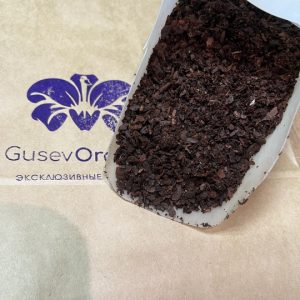 Кора сосны Стандарт фракция 0-1 см
  Paphiopedilum Yi-Ying Fireworks x Paph. Enzan Kitty
  Lycaste Andres Eljuri
  Bifrenaria inodora
  Lycida Ing rid de Portilla
  Cattleya lawrenceana